
Writing
Essays on Operational Intelligence
Thought-leadership essays for engineering and infrastructure organizations trying to reduce rework, improve workflow design, and translate strategy into operational follow-through.
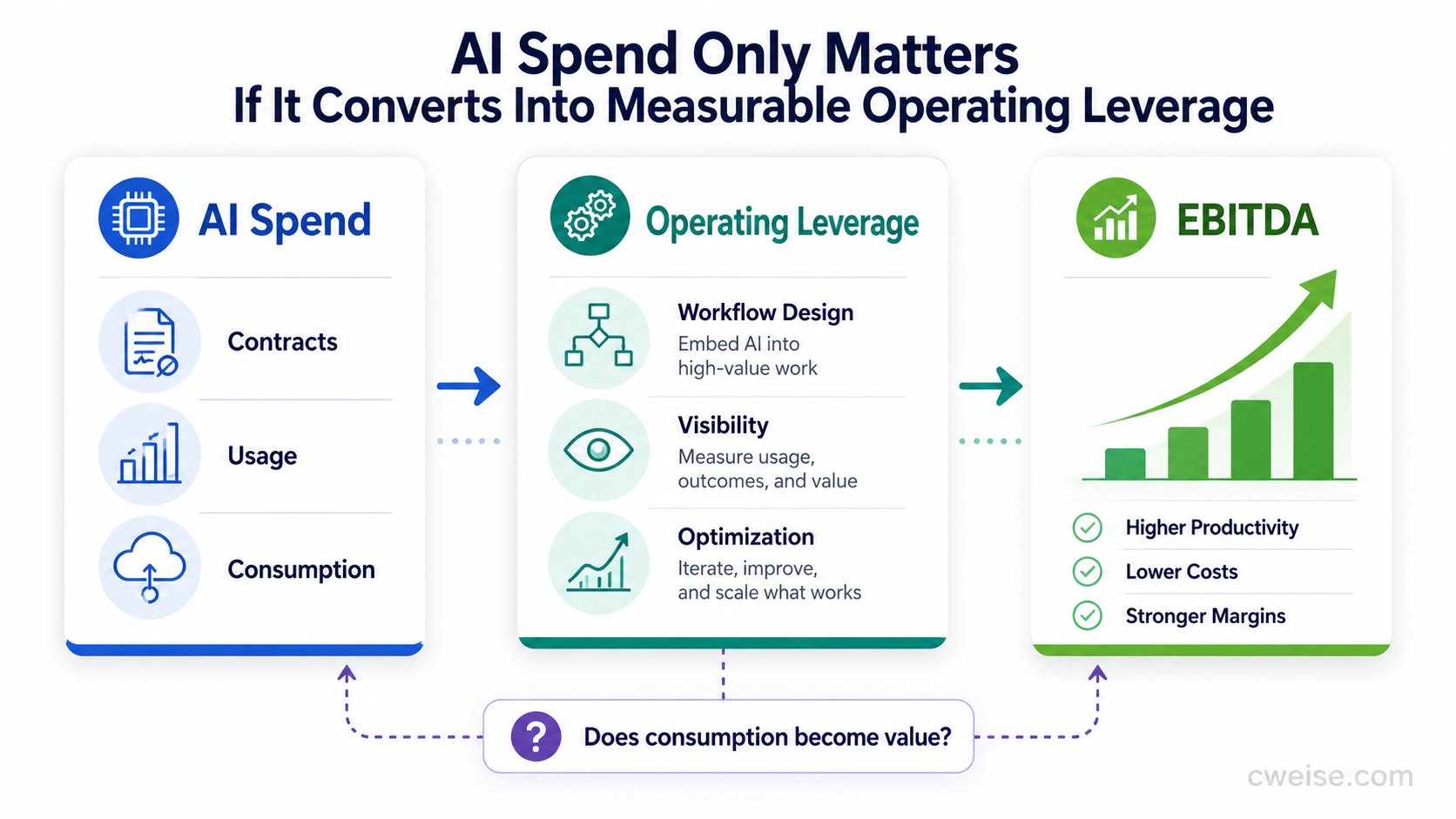
AI Spend Is Rising. Is EBITDA?
A board-aware essay reframing enterprise AI cost around operating leverage: not whether AI spend is rising, but whether AI consumption is being converted into measurable margin, throughput, decision quality, and enterprise value.
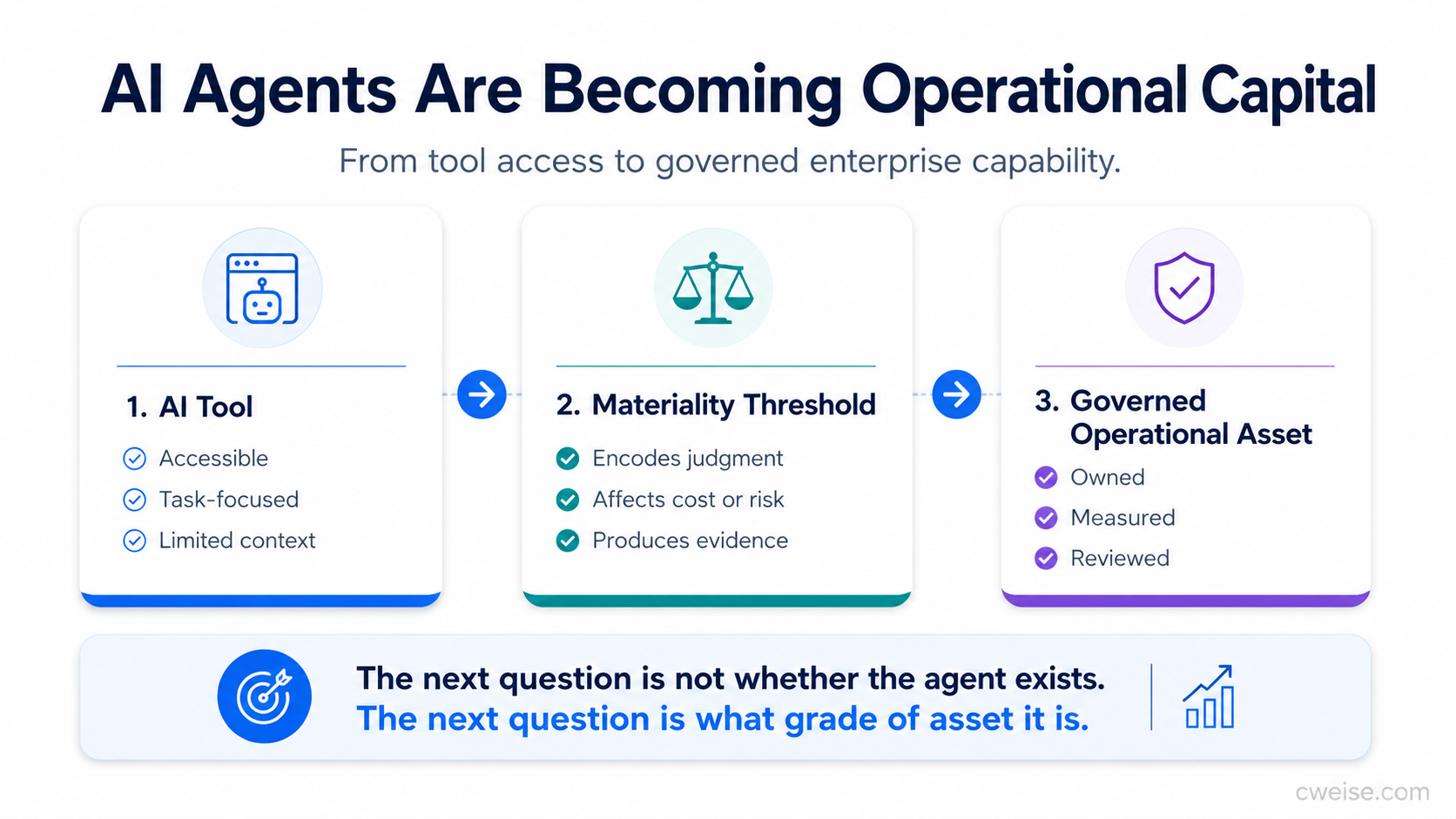
AI Agents Are Becoming Operational Capital
A board-level essay arguing that AI agents which encode judgment, process logic, institutional knowledge, and repeatable execution should not be treated merely as tools. Some agents will need to be governed as operational assets, graded by maturity, reliability, risk, value, useful life, and cost displacement.
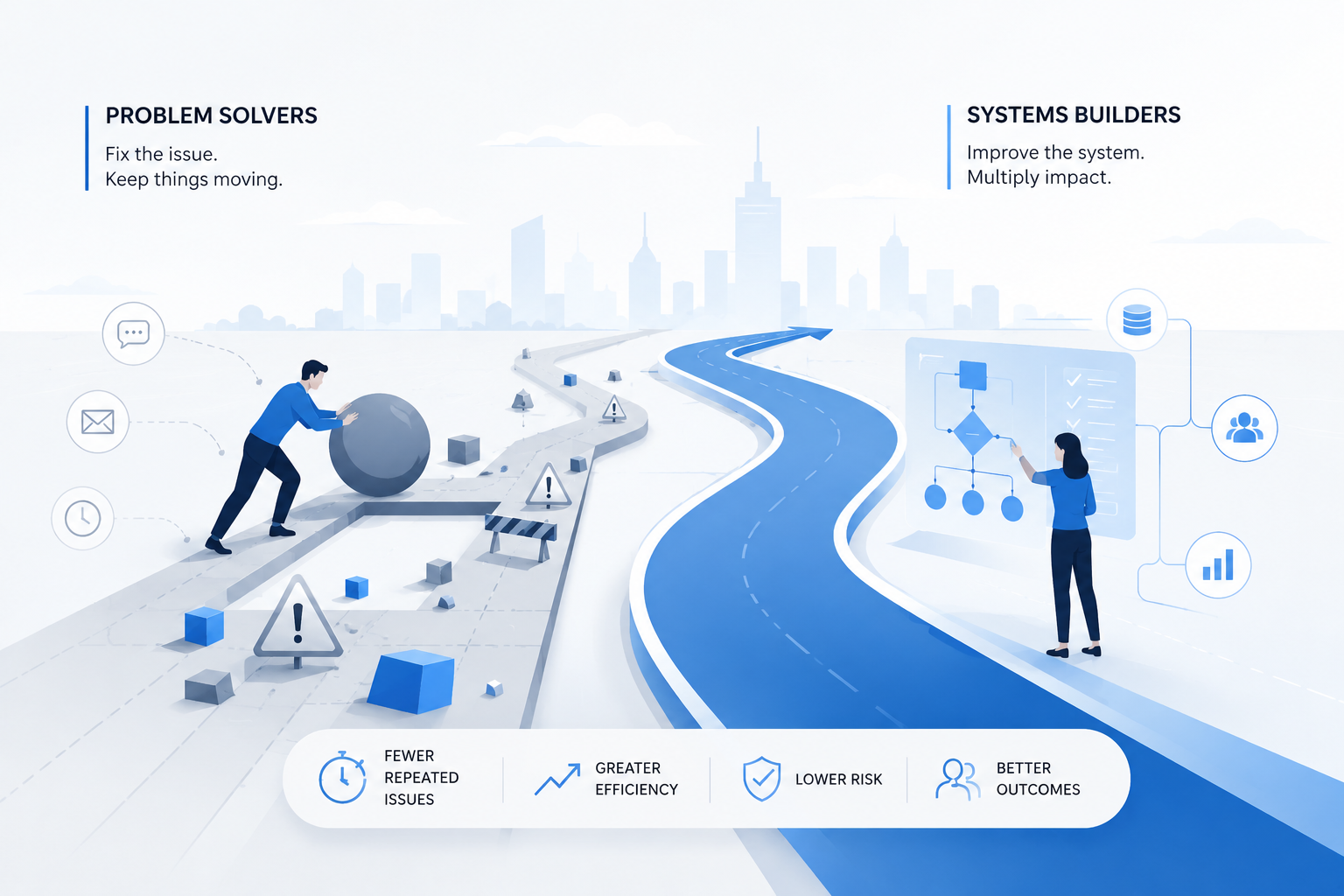
What Kind of Leader Does the Moment Require?
A leadership essay on why crisis, scale, and innovation demand different instincts, and why recurring problems sometimes point to missing operating design instead of individual failure.
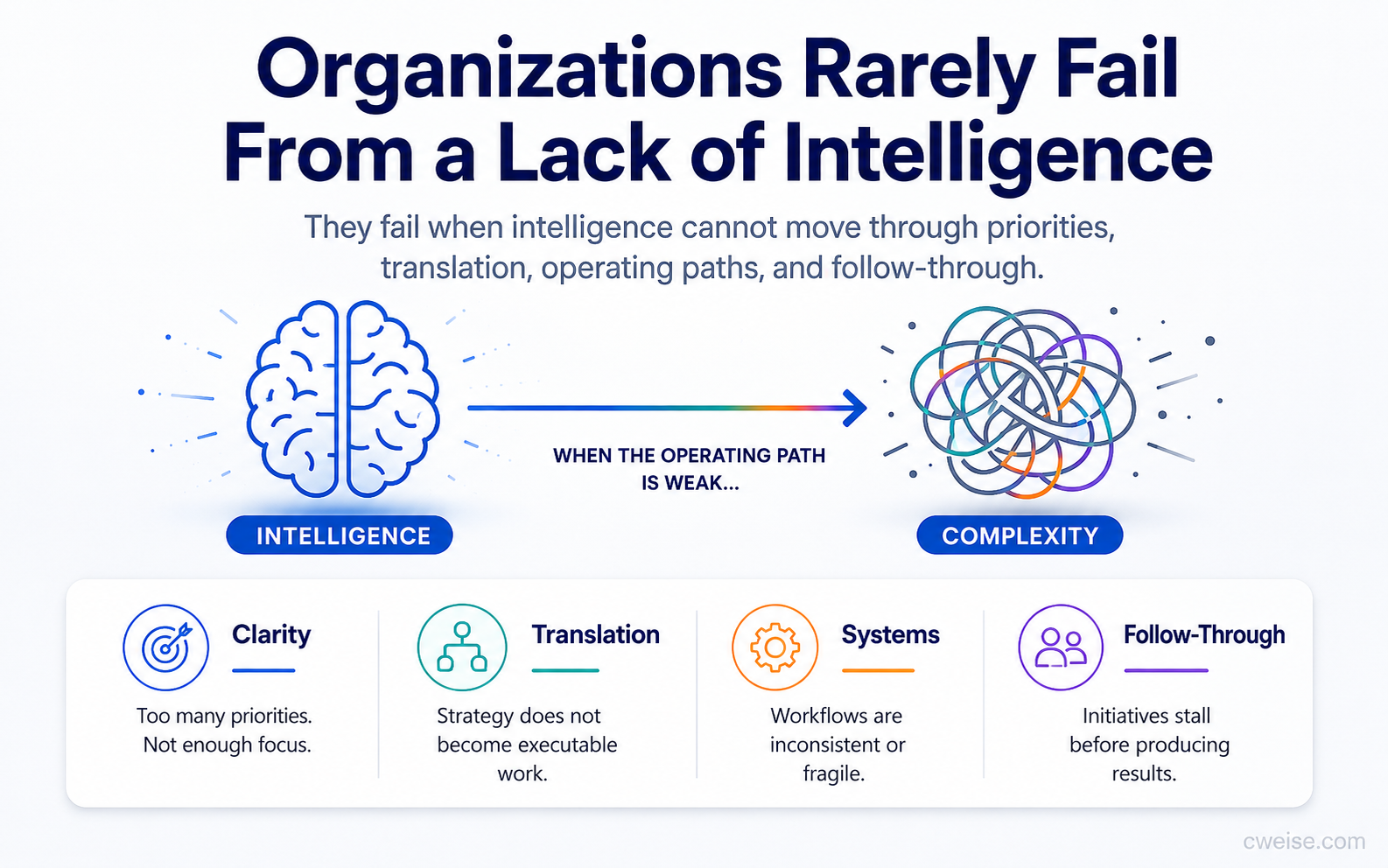
Organizations Rarely Fail From a Lack of Intelligence
An essay on why organizations usually do not fail because they lack smart people, data, strategy, or ideas. They fail when intelligence cannot move through clear priorities, translation layers, operating paths, accountability, and follow-through.
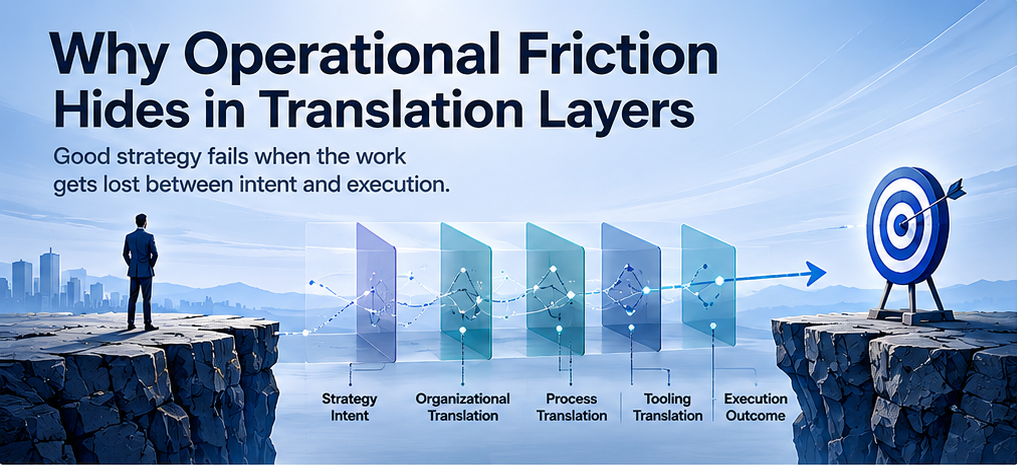
Why Operational Friction Hides in Translation Layers
A deeper essay on why friction usually hides between strategy, workflow, systems, and reporting layers — and why organizations reduce rework by owning the interfaces where meaning changes hands.
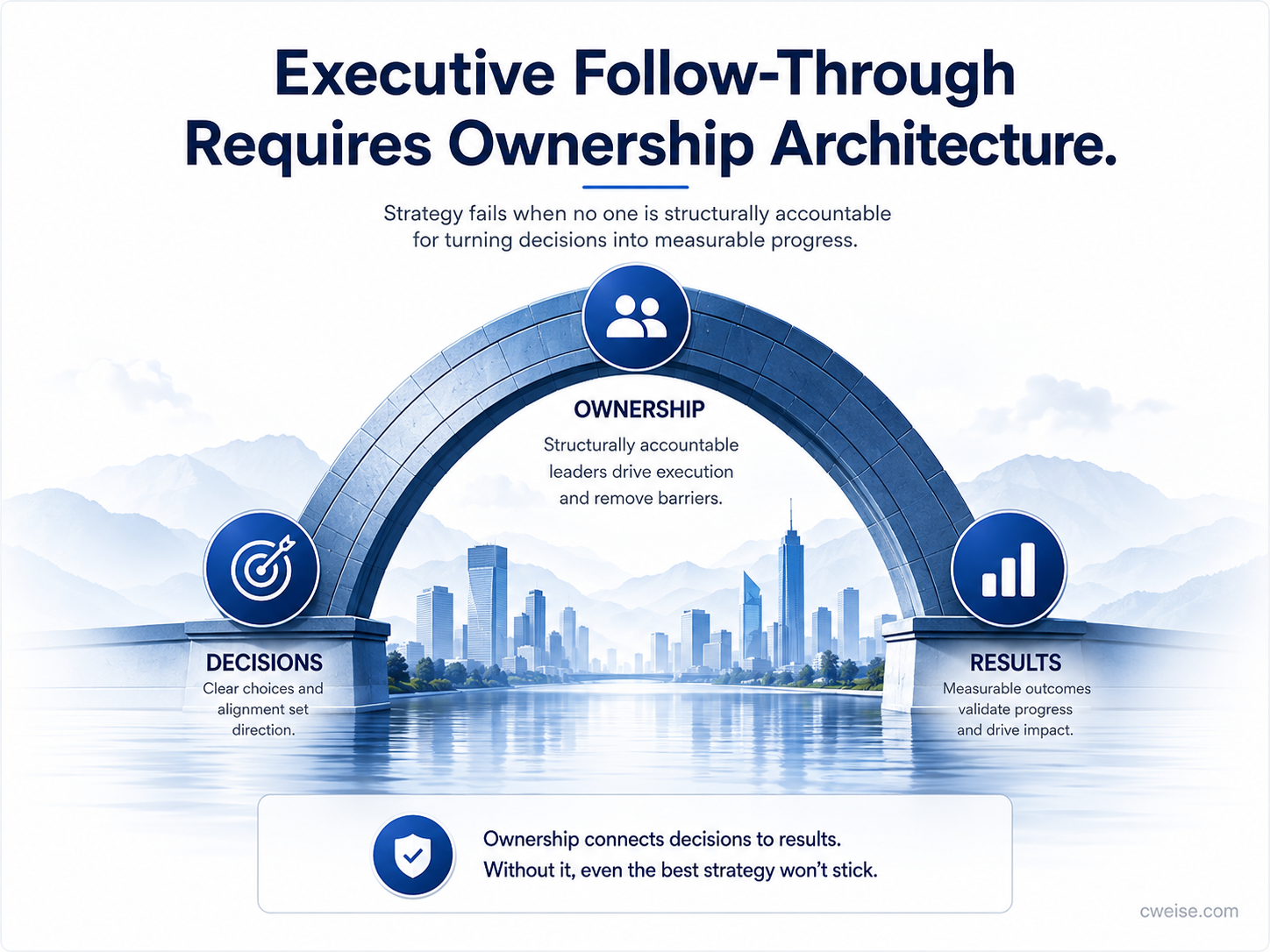
Executive Follow-Through Requires Ownership Architecture
A strategy does not become durable because leaders care about it. It becomes durable when ownership, decision rights, escalation paths, evidence, and review rhythms are designed into the operating system.